
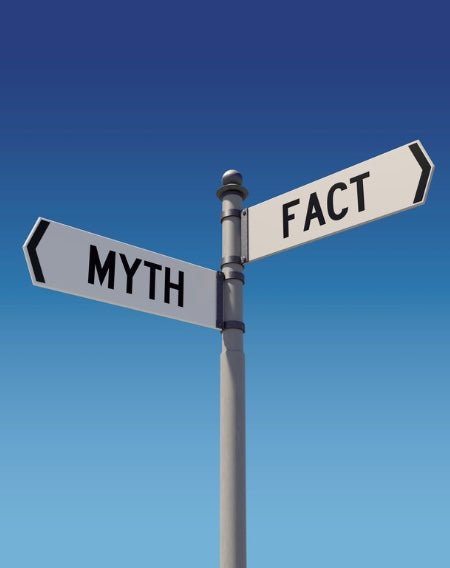
Debunking the Myths: Is Opal Really a Bad Luck Stone?
For years, opals have been surrounded by myths and superstitions, often labeled as the "bad luck" stone. But where did this reputation come from — and is there any truth to it?
The Origin of the Opal Bad Luck Myth
The bad luck association with opals is largely traced to a single novel: Sir Walter Scott's Anne of Geierstein, published in 1829. In the story, a character wears an opal that loses its colour and she dies shortly after. The novel was wildly popular, and opal sales reportedly dropped by 50% across Europe in the years following publication.
Ironically, this was a work of fiction — not history, folklore, or gemological fact.
What History Actually Says About Opals
Before Scott's novel, opals were considered among the luckiest and most powerful of all gemstones. Ancient Romans called opal the "Queen of Gems" and believed it contained the virtues of every coloured stone. In the Middle Ages, opals were thought to grant invisibility and were worn by thieves and spies for protection.
Queen Victoria was a famous opal enthusiast who gifted opals to her children at their weddings, directly challenging the bad luck narrative.
The Truth About Opals
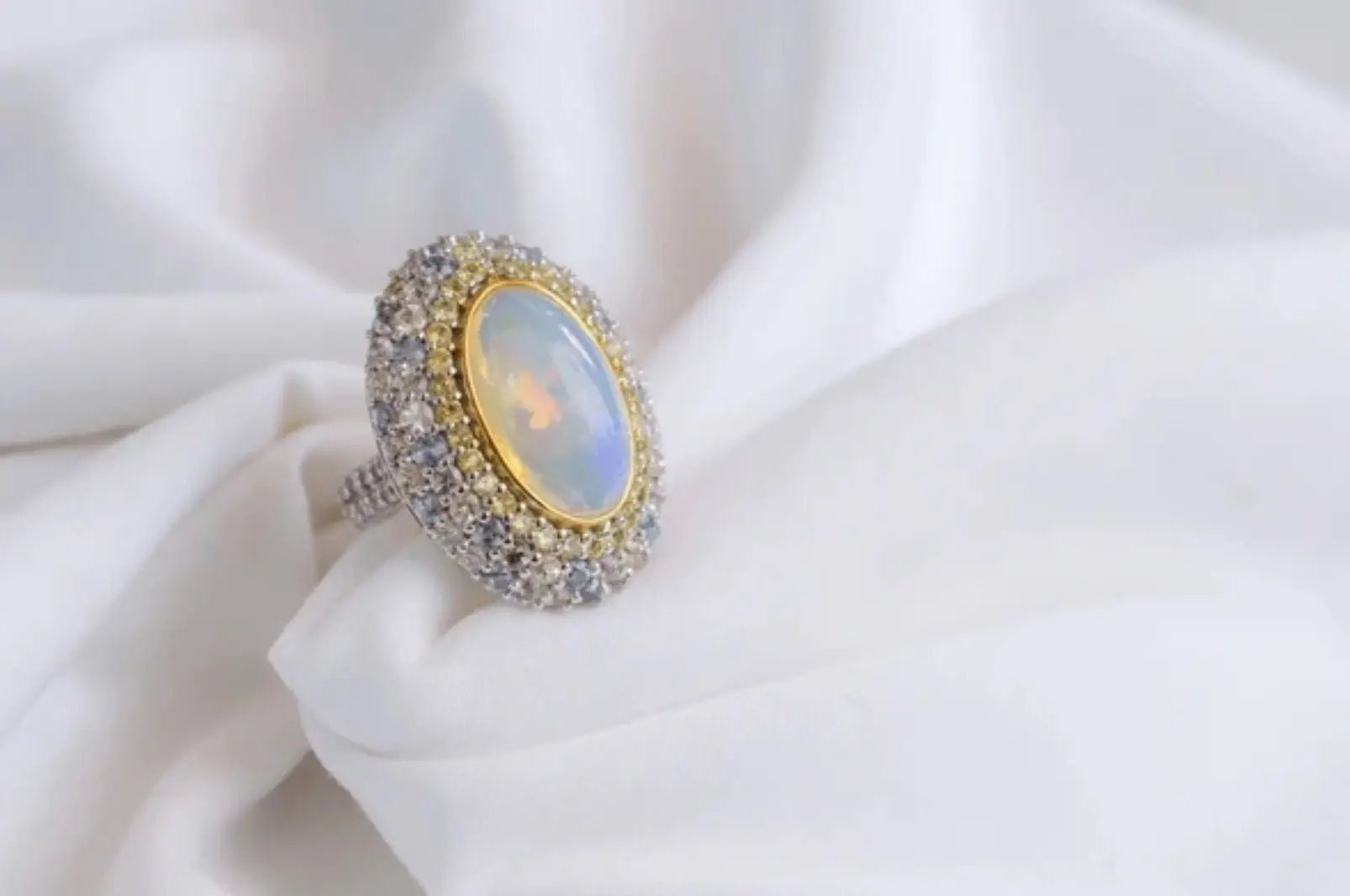
Opals are simply gemstones — extraordinary, rare, and beautiful ones at that. There is no credible historical, scientific, or cultural basis for the bad luck claim outside of one fictional novel from 1829.
In Aboriginal Australian culture, opals hold deep spiritual significance and are considered sacred stones connected to the Dreamtime. In many Asian cultures, opals are regarded as symbols of hope and good fortune.
At Iona Opal Australia, we'd like to think the only thing an opal brings is joy. Browse our collection and judge for yourself.



Leave a comment
This site is protected by hCaptcha and the hCaptcha Privacy Policy and Terms of Service apply.