
Guide to Australian Opal Mining Fields
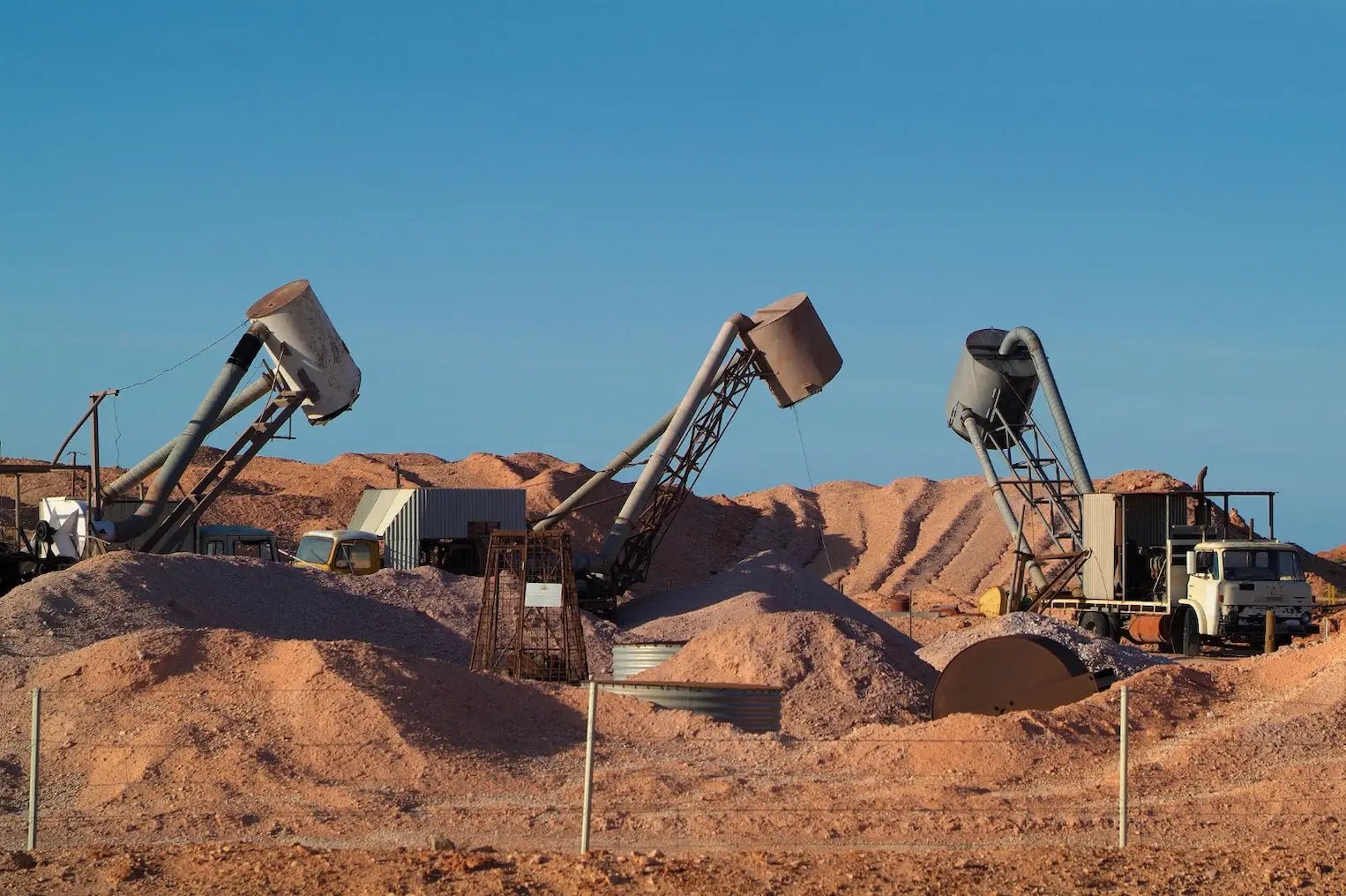
Australia is home to numerous opal mining towns, but four have become particularly well-known: Coober Pedy, Lightning Ridge, the Queensland boulder opal fields, and White Cliffs. Each produces opals with distinct characteristics shaped by their unique geology.
Coober Pedy, South Australia
Known as the White Opal Capital of the World, Coober Pedy produces over 80% of the global white opal supply. The town is famous for its underground homes (dugouts), built to escape the scorching outback heat. Coober Pedy is also renowned for its remarkable marine fossil opals — shells, belemnites, and other ancient sea creatures preserved in precious opal, a legacy of the ancient Eromanga Sea that once covered central Australia.
Lightning Ridge, New South Wales
Lightning Ridge is the only source of true black opal in the world, producing 95% of global supply. Black opal is the rarest and most valuable opal type, with top specimens fetching up to AUD $6,000 per carat. The region also produces crystal opals, white opals, and extraordinary dinosaur fossil opals.
Queensland Boulder Opal Fields
The vast Queensland fields — including Winton, Quilpie, Yowah, and Koroit — produce boulder opal, a unique type formed in ironstone boulders. Boulder opals are typically cut in freeform shapes to showcase their natural colour veins, and the ironstone backing acts as a natural doublet, enhancing colour intensity.
White Cliffs, New South Wales
White Cliffs was Australia's first commercial opal field, producing predominantly white and crystal opal. Like Coober Pedy, its miners lived underground to escape the heat. The field has a rich history dating back to the 1880s and is famous for its marine fossil opals.
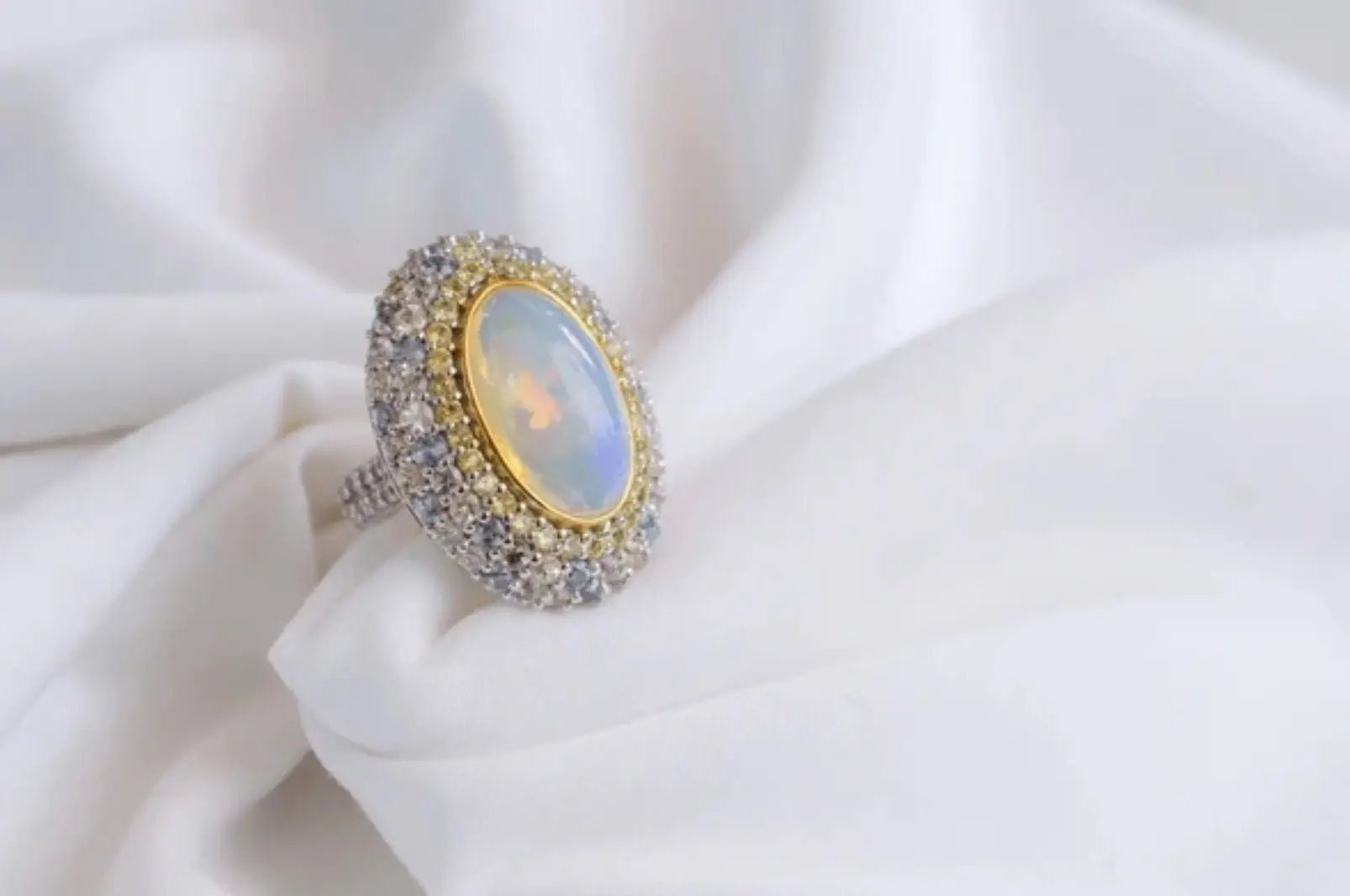
At Iona Opal Australia, we source opals from all of these remarkable fields, bringing the best of Australia's opal country directly to you.


Leave a comment
This site is protected by hCaptcha and the hCaptcha Privacy Policy and Terms of Service apply.