
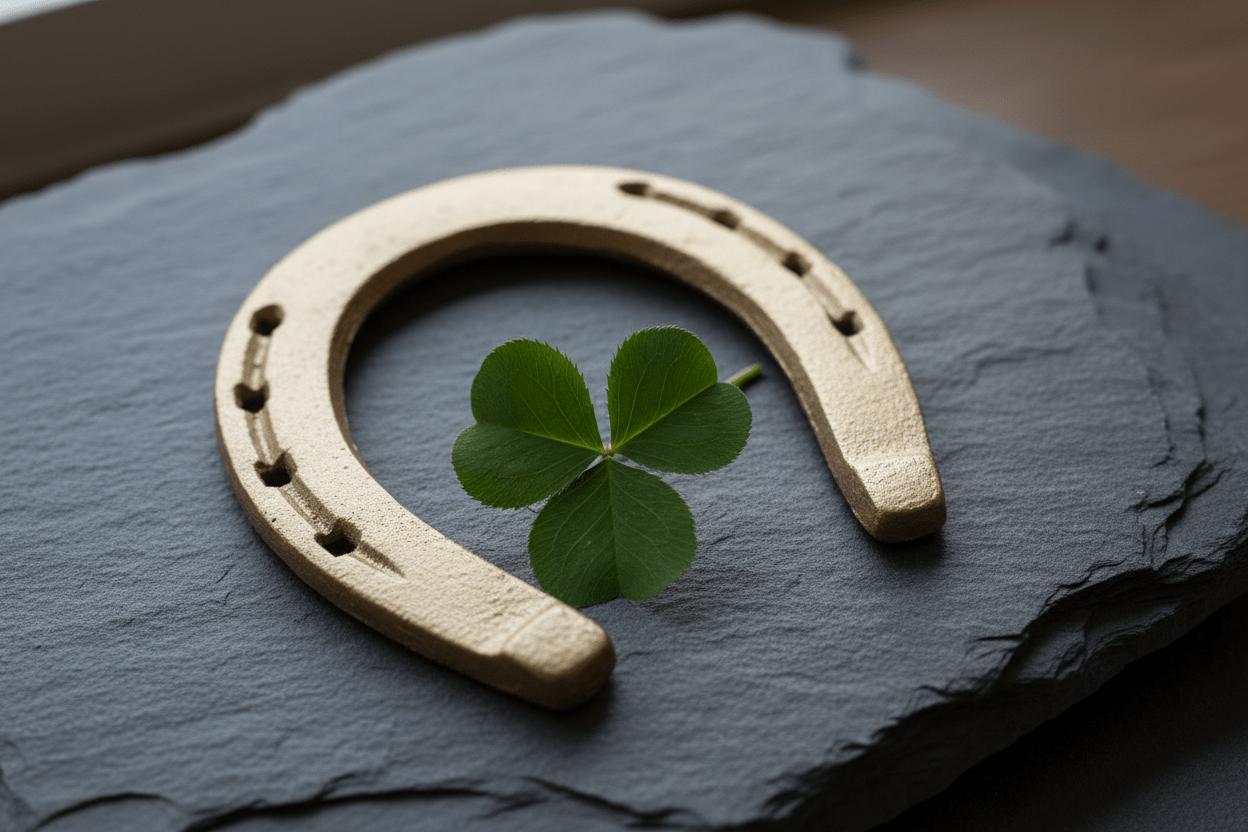
Is Opal Bad Luck? The Truth Behind the Superstition
Of all the myths that circulate about gemstones, the idea that opal brings bad luck is the most persistent — and the most frustrating, because it has a very specific origin, it's completely fabricated, and it has cost opal its rightful place as one of the world's great gemstones for nearly two centuries.
Where did the opal bad luck superstition come from?
The bad luck superstition is often traced directly to a single novel: Anne of Geierstein, published by Sir Walter Scott in 1829. In the story, a character wears an opal that changes colour with her moods and loses its fire when touched by holy water — after which she dies. Scott didn't intend it as a factual statement about opals. It was fiction. But the novel was enormously popular, and readers took it seriously enough that opal sales in Europe reportedly dropped by half in the years following publication.
Before Scott's novel, opal had an entirely different reputation. The Romans ranked it second only to emerald and called it opalus — a stone that contained the beauty of every gem. In the Middle Ages it was considered deeply lucky, believed to possess the virtues of every gemstone whose colour it could display. Queen Victoria was a passionate opal collector and wore it publicly throughout her reign, partly as a deliberate effort to counter the superstition.
Is there any truth to opal bringing bad luck?
No. There is no gemmological, historical, or factual basis for the claim whatsoever. It originated in a work of fiction and spread through popular culture. Opal has been mined, worn, and treasured for thousands of years across dozens of cultures — including Aboriginal Australians, ancient Romans, and medieval Europeans — with no consistent association with misfortune.
Why does the myth persist?
Partly because it makes a good story, and partly because opal's fragility in some forms — particularly Ethiopian opal and thin doublets — can lead to stones cracking, clouding, or losing their colour. When people see this happen, it feels like the legend is being confirmed. But the problem is always with the type of opal, not with opal itself. Solid Australian opal, formed in stable ancient rock, does not craze or cloud under normal wear.
What do opal miners and dealers think?
Ask anyone who has spent their life working with opal — miners, cutters, jewellers — and they'll tell you the bad luck story is nonsense. The people closest to the stone love it without reservation. At Iona Opal Australia, opal is what I've dedicated my working life to. If I believed it brought bad luck, I'd have changed careers a long time ago.
Opal is a stone with an extraordinary past, a rare and complex beauty, and a genuinely limited supply. The only bad luck involved in opal is not owning one.
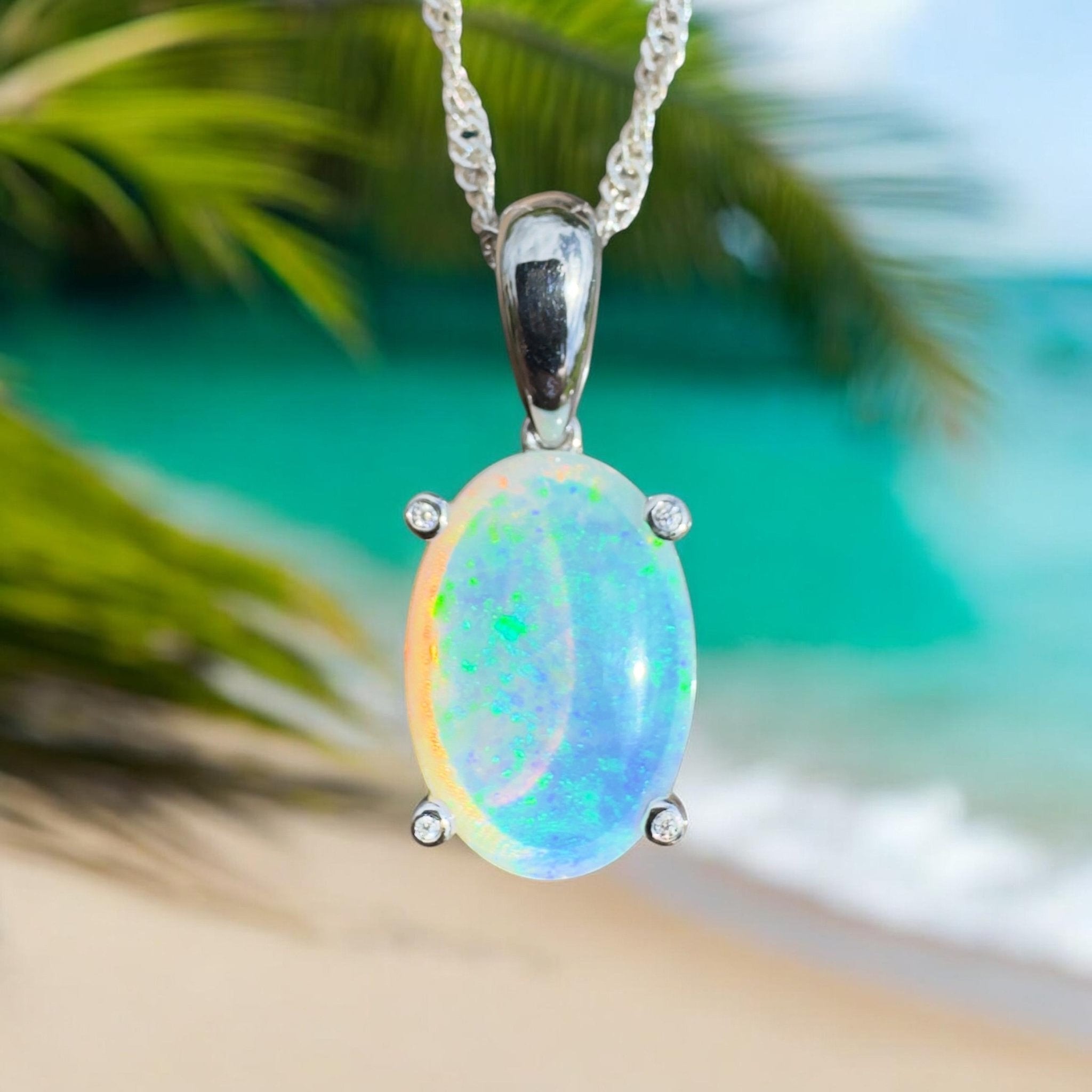
Browse solid Australian opal jewellery at Iona Opal Australia →



Leave a comment
This site is protected by hCaptcha and the hCaptcha Privacy Policy and Terms of Service apply.