
The Questions Customers Ask Me Most — and What They Actually Reveal About Buying Opal
After many years of selling and making opal jewellery, I've noticed that the questions people ask tell you a lot about what's actually going on in the opal market — and what buyers are really worried about.
Here are some of the questions I hear most often, and the honest answers I give every time.
"How do I know it's real?"
This is the most common question I get, and it breaks my heart a little every time — because it tells me that someone has either been burned before, or they're worried they're about to be. The opal market has a real problem with misrepresentation, particularly online, and buyers are right to be cautious.
Here's what I tell people: if a seller can't tell you whether the stone is solid, doublet, or triplet — walk away. That's the most fundamental thing to know about any opal. A solid opal is entirely natural gemstone material. A doublet has a thin slice of opal glued to a dark backing. A triplet adds a clear dome on top. All three can be beautiful and legitimate, but they're very different things and should never be priced the same.
At Iona Opal Australia, every stone is solid Australian opal, they all come with a description of exactly what it is and where it's from. I don't sell doublets or triplets — only solid Australian opal — but even if I did, I'd tell you exactly what you were buying.
"Is Ethiopian opal as good as Australian opal?"
This is a question I try to answer carefully, because the honest answer is: it depends on what you mean by 'as good.'
Ethiopian opal — particularly Welo opal — can be visually stunning. The colour play is often extraordinary, and it's considerably cheaper than comparable Australian opal. Those are real advantages and I respect them.
But there's something important that doesn't always get mentioned: Ethiopian Welo opal is hydrophane, which means it absorbs water. When it gets wet — in the shower, the pool, even from humidity — it can go cloudy or temporarily lose its colour. For most stones this reverses as they dry out, but it's not guaranteed, and repeated wetting can cause crazing over time.
Australian opal doesn't do this. It's stable, it's tough, and you can wear it every day without worrying about it. That stability is worth paying for when you're buying jewellery meant to last a lifetime.
"Can I wear opal every day?"
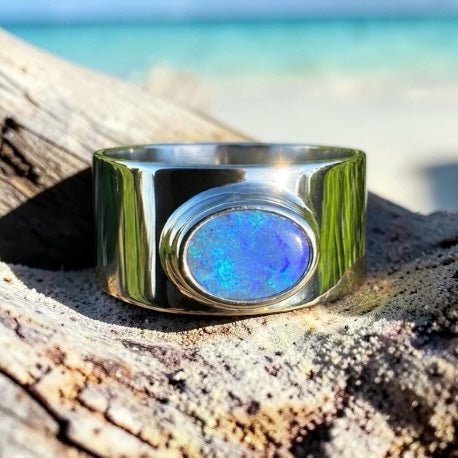
Yes — with the right stone and the right setting. This is one of the most persistent myths about opal: that it's fragile and needs to be babied. Solid Australian opal, set thoughtfully (with the stone protected rather than exposed), is genuinely durable everyday jewellery.
The key is the setting. A bezel or rub-over setting that wraps around the stone protects it from knocks in a way that a high claw setting doesn't. I always consider wearability when I design a piece — if someone tells me they want to wear their ring every day, that shapes every decision I make about the setting.
[Add your own note here about the most everyday-wearable pieces you make, and maybe a customer story about long-term wear.]
"What's the difference between Lightning Ridge and Queensland opal?"
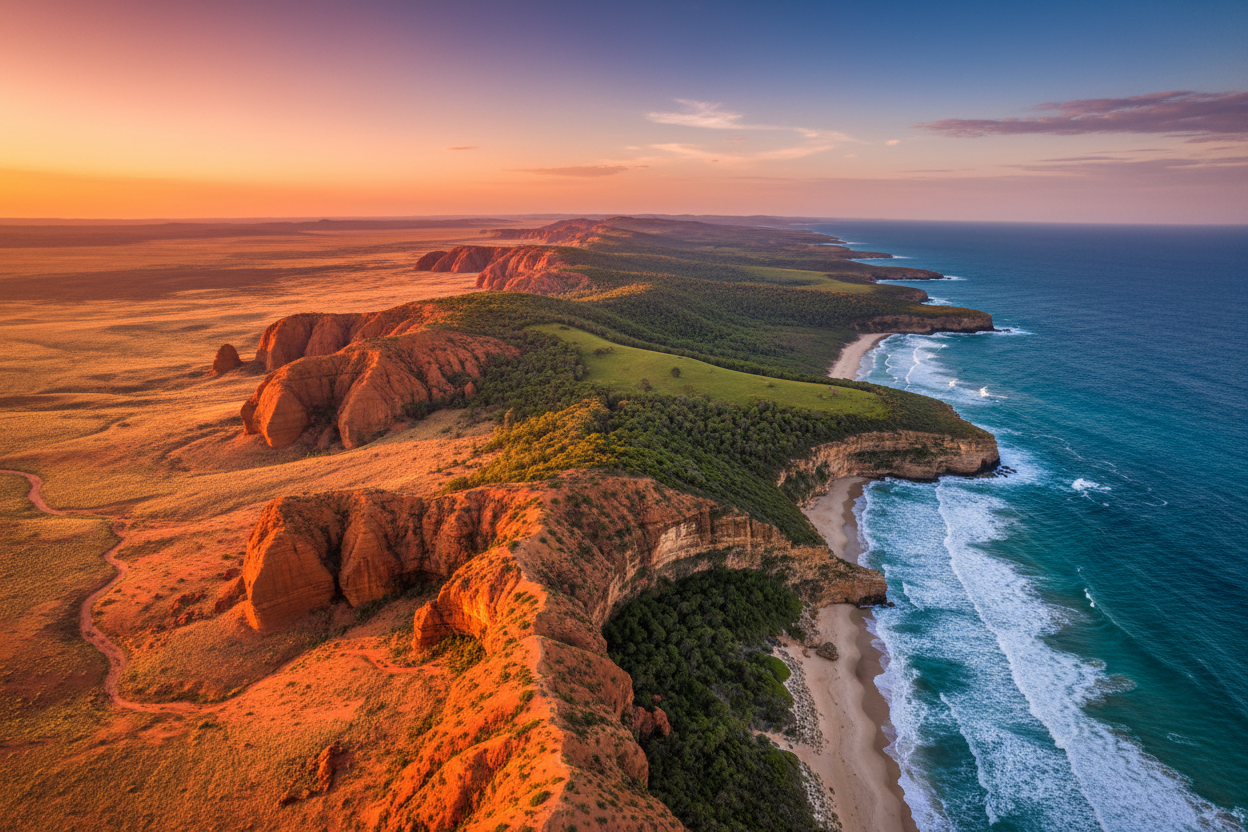
I get this one constantly, and I love answering it. The short version: Lightning Ridge produces black opal and crystal opal, with that famous dark body tone that makes the colours look like they're lit from within. Queensland produces boulder opal — colour in ironstone — which has its own incredible depth and character.
They're not better or worse than each other. They're completely different stones from different parts of Australia, with different geology and different aesthetics. Choosing between them is like choosing between a sapphire and an emerald — it comes down to what speaks to you.
"Will it hold its value?"
Fine Australian opal — particularly black opal from Lightning Ridge — has a genuine track record of holding and appreciating in value. Supply is finite, mining is increasingly difficult, and global demand has been growing steadily.
That said, I still prefer it when customers buy because you love it, wear it, enjoy it. If it holds its value or grows, that's a wonderful bonus. The stones I sell are priced for what they are — ethically sourced, hand-cut, genuine Australian opal — not inflated with investment premiums.
"Why should I buy from you rather than a big retailer?"
Honestly? Because I cut the stones myself, I set the jewellery myself, and I stand behind every piece. When you buy from a big retailer, you often can't find out where the stone came from, who cut it, or whether the description, weight and measurements are accurate.
When you buy from me, you can ask me anything and I'll tell you. That's not something most jewellery retailers can offer.

Leave a comment
This site is protected by hCaptcha and the hCaptcha Privacy Policy and Terms of Service apply.