
The Symbolism of Opal Across Cultures — A Stone That Has Always Meant Something
Opal and the Emotions — A Stone That Has Always Meant Something
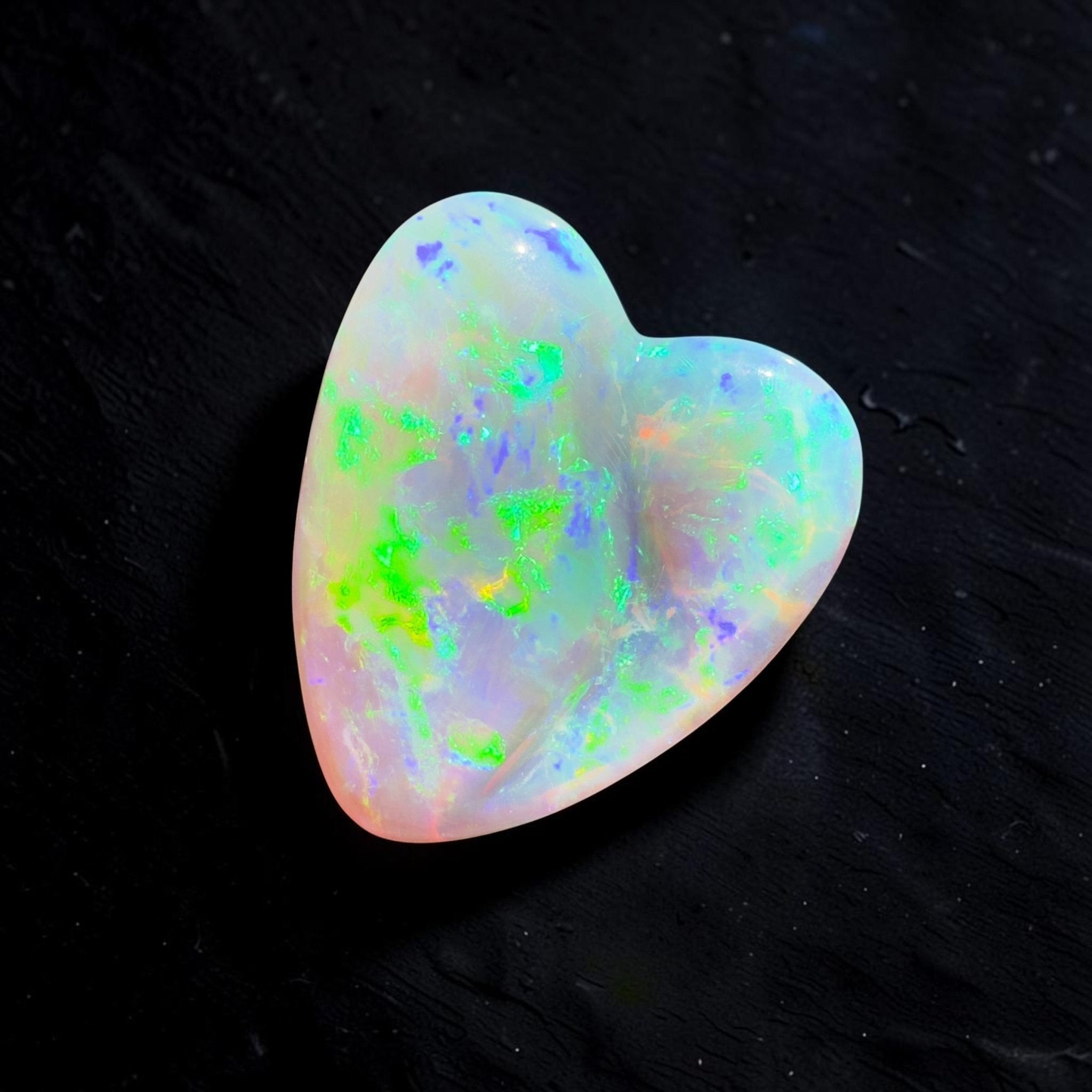
Throughout history, no gemstone has attracted more meaning, symbolism, and emotional significance than opal. Ancient Romans called it the Cupid Paederos — the Child of Love — and believed it embodied the virtues of every other gemstone combined. Arabic legend held that opal fell from the sky in lightning flashes. Aboriginal Dreamtime stories speak of the Creator descending to earth on a rainbow, and where his feet touched the ground, the stones came alive with colour.
What is it about opal that has generated this depth of meaning across such different cultures and centuries?
The Stone of Hope, Creativity, and Emotion
In contemporary crystal healing and wellness traditions, opal is associated with hope, creativity, and amplified emotion. Whether or not you engage with crystal properties, the association makes intuitive sense. Opal is the only gemstone that seems to contain its own inner life — a living fire that shifts and responds to the light around it, never the same twice.
There's something in that quality that naturally resonates with the human experience of emotion: complex, multifaceted, always shifting, always containing more than first appears.
Opal Across Cultures
The meaning of opal has shifted across cultures and centuries in fascinating ways. Ancient Romans prized it above almost all other gems. In the Middle Ages it was considered the stone of good fortune, believed to preserve the colour and lustre of blond hair (which is why it was sometimes called Ophthalmius, or the eye stone). Indigenous Australian cultures have the world's richest and most ancient relationship with opal, embedded in Dreamtime stories that predate any other opal tradition by tens of thousands of years.
The Victorian-era superstition that opal was unlucky — largely a result of a single Sir Walter Scott novel in 1829 in which an opal brings misfortune to its wearer — was a historically recent and largely English-language phenomenon that has steadily faded as opal's global popularity has grown.
Wearing Opal With Intention
Many people who wear opal jewellery describe a particular quality to the experience — a sense that the stone is alive, present, responding. Whether that's the psychology of wearing something so visually dynamic or something more intangible is a question each wearer answers for themselves.
What isn't in question is that opal jewellery tends to generate connection and conversation in a way that few other gemstones do. It invites people in. It asks to be looked at closely. It rewards attention.
At Iona Opal Australia, we believe that's part of what makes opal worth wearing. Browse our collection and find the piece that speaks to you.



Leave a comment
This site is protected by hCaptcha and the hCaptcha Privacy Policy and Terms of Service apply.